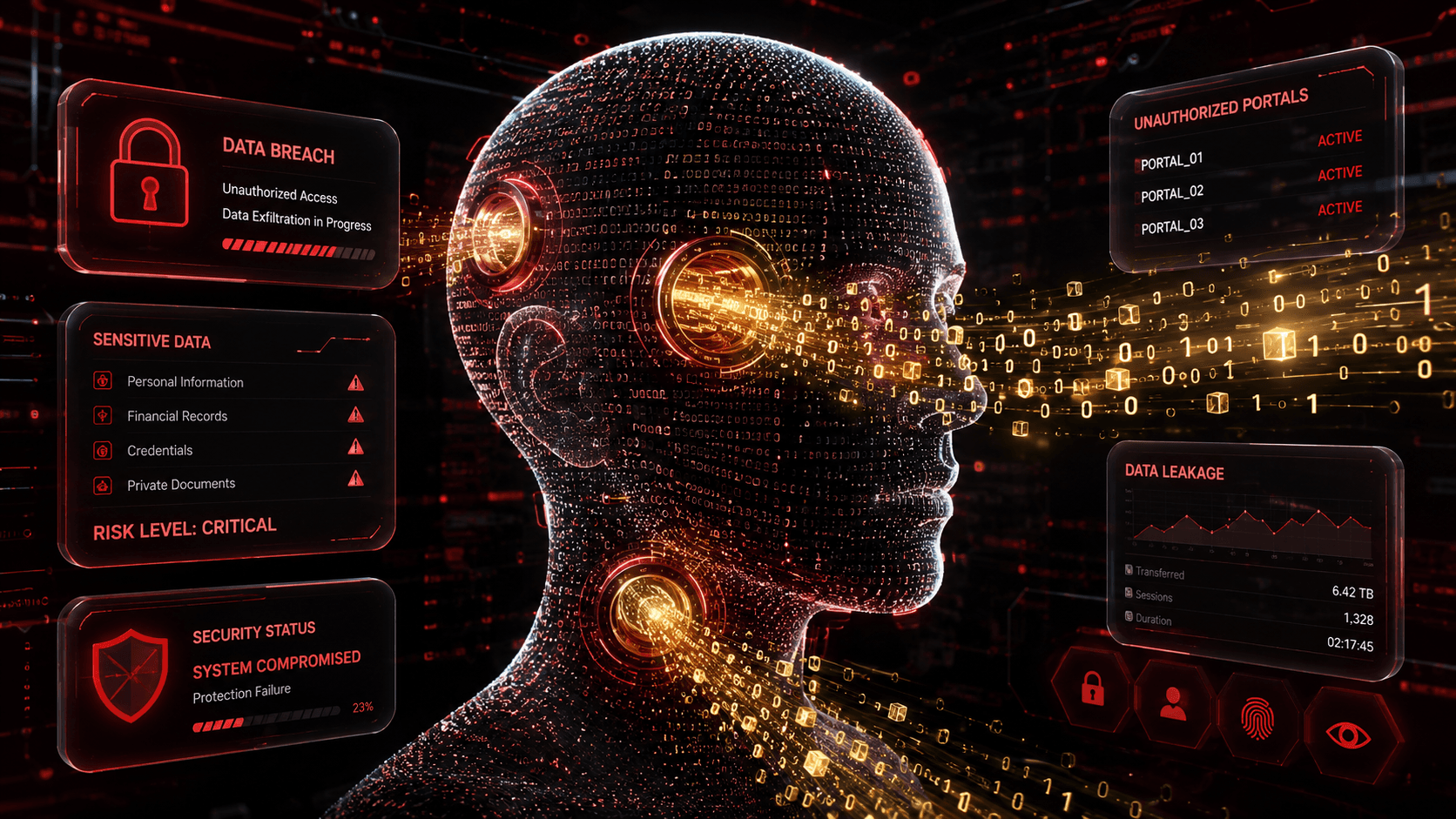
In early 2026, digital marketing hit a saturation point. With AI engines capable of generating thousands of blog posts, social media captions, and video scripts in seconds, the internet became flooded with polished, flawless, and completely lifeless content. Today, audiences are pushing back, leading to a major trend called synthetic fatigue.
The Rise of Synthetic Fatigue
As consumers, our brains are remarkably good at spotting patterns. After months of reading perfectly structured articles and watching ultra-polished, AI-voiced videos, audiences have developed a subconscious resistance to them. This content might look professional, but it lacks the real-world perspective, emotional depth, and unique quirks that define human communication.
The numbers show a clear shift. Engagement rates for generic, high-volume AI blogs have dropped by 45% over the past six months, while authentic, human-centric campaigns are seeing record-high click-through rates.
Why Authenticity Is the New Premium
In a world of infinite, low-cost content, human connection has become a rare and valuable asset. Brands that are succeeding in 2026 are leaning into the raw, unpolished, and intensely personal elements of their stories.
This shift is reshaping digital marketing in three major ways:
1. The Founder-Led Movement
Audiences don't want to buy from faceless corporations or read generic press releases. They want to hear from real founders, builders, and developers. Raw, behind-the-scenes videos showing the actual struggles and triumphs of building a business are outperforming high-production corporate advertisements.
2. Lived Experience Over Information
Simple information is now a commodity. Anyone can ask an AI to summarize a topic. What people actually search for are personal opinions, case studies, and hard-won lessons. Content that begins with "Here is what I learned by doing this myself" is incredibly effective.
3. Imperfection is Engaging
Slight stumbles in a video, unedited thoughts in a newsletter, and raw photos rather than stylized graphics are all visual signals of authenticity. They tell the audience: A real human created this for you.
Finding the Right Balance
Avoiding synthetic fatigue doesn't mean abandoning AI entirely. Instead, successful marketers are using AI as an assistant, not a replacement. AI is great for brainstorming, outlining, and researching, but the actual writing, styling, and final voice must remain distinctly human.
The lesson for 2026 is simple: when everyone else is using AI to create more content, the best way to stand out is to be more human.